Herbal Tea vs Warm Milk: Which Evening Drink Is Better for Sleep?
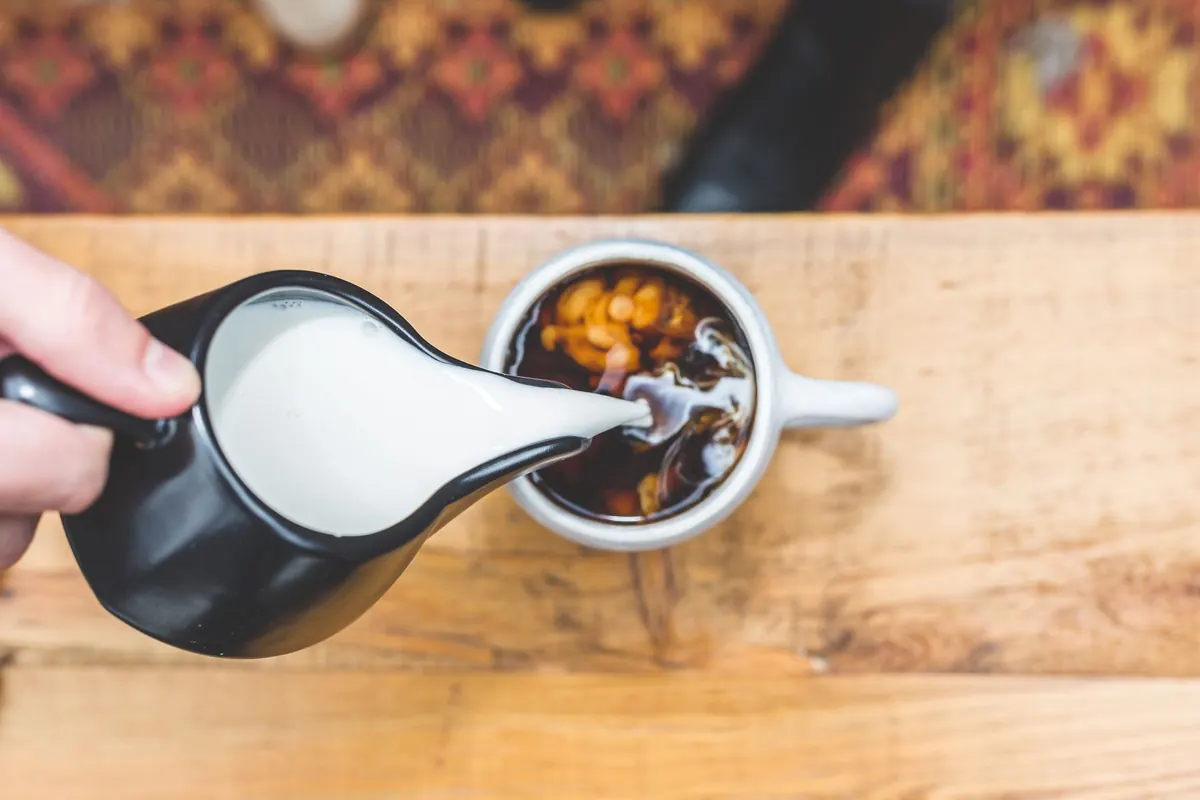
Herbal Tea vs Warm Milk: Which Evening Drink Is Better for Sleep?
Two mugs sit on the kitchen counter at 9:30 p.m. One holds a pale herbal infusion; the other, milk warmed just enough to steam. Both promise a softer landing into sleep. Neither is a magic switch. The better choice depends on what is in the cup, how your stomach handles it, and whether the ritual helps you put the day down.
The Caffeine Question Comes First
“Herbal tea” is a broad label. A genuine herbal infusion—chamomile, lemon balm, lavender, ginger, rooibos, peppermint—is normally caffeine-free. But plenty of sleepy-time blends include green tea, black tea, matcha, chai, yerba mate, guarana, or cocoa. Those ingredients bring caffeine, sometimes a lot. A tea can look gentle and still keep you awake if it contains a stimulant leaf.
Read the ingredient list, not just the front of the box. If you are sensitive to caffeine, treat “decaf” as low-caffeine rather than zero, and choose single herbs or clearly caffeine-free blends. Warm milk has no caffeine, but chocolate milk, cocoa, and malted bedtime drinks may contain some, along with sugar. If caffeine keeps you up, the safest evening drink is one you can identify in one line: milk, or a plain caffeine-free herb.
Timing matters too. A caffeine-sensitive person may need to stop tea, coffee, and cola by early afternoon. Others can drink a weak green tea after dinner and sleep fine. You know your pattern better than any label. If you are unsure, test a caffeine-free herbal tea for a week and notice whether you fall asleep faster or lie awake longer.
Keep an eye on serving size, too. A large “herbal” blend from a café may be brewed strong, sweetened, or mixed with a caffeinated base. Ask what is in it, or choose a plain tea bag you can read at home. The same caution applies to “sleep” powders and ready-made drinks: a soothing name on the label is not proof that the contents are caffeine-free.
What Each Drink Does to Digestion
Warm milk feels substantial. It contains protein and fat, so it can work as a small, soothing snack if hunger is part of why you cannot settle. But that richness suits some stomachs and not others. If you are lactose intolerant, a mug of milk may bring gas, bloating, or cramping that shows up just as you want to be still. Lactose-free milk or a warm unsweetened plant drink can be a better fit, though the texture and taste will differ.
Herbal tea is lighter, but “light” does not mean “no effect.” A large mug of any liquid close to bedtime can lead to a nighttime bathroom trip. Peppermint tea, often recommended after meals, can relax the valve at the top of the stomach and worsen reflux for some people. Licorice root can raise blood pressure when used in large amounts, and strong herbal blends may interact with medication. Ginger tea may calm nausea for some, but it is not a universal sleep aid.
Keep the portion modest, especially if you already wake to use the bathroom. A small cup 30 to 60 minutes before bed is gentler than a giant mug at lights-out. Warm—not scalding—is the useful middle.
The Ritual Is Doing More Than You Think
Part of the benefit of either drink is not the liquid. It is the sequence: filling the kettle, choosing a mug, waiting, holding something warm, sitting still. That repeated cue tells your body the day is closing. Warm milk carries childhood associations for many people; herbal tea carries a quieter, grown-up ritual. Neither association is silly. Sleep responds to signals.
The signal gets weaker if you drink while scrolling, answering messages, or standing at the counter. Give the cup ten minutes of your full attention. Dim one light. Put the phone in another room. Sit down. Sip slowly. If you live with someone, talk quietly or say nothing at all. The drink is a prop for the transition, not a performance.
“The best bedtime drink is the one you can repeat without friction.”
That sentence is worth keeping. A complicated tea ceremony you abandon after three nights has less value than a plain mug of warm milk you actually look forward to.
Herbal Tea: Who It May Suit
Herbal tea is often the better choice if you avoid dairy, prefer a light drink, or want variety without caffeine. It suits people who find the act of brewing calming and who can tolerate a small amount of fluid before bed. A simple cup of chamomile, lemon balm, lavender, or rooibos is easy to make and easy to stop. If you enjoy trying different blends, keep the evening ones caffeine-free and not overloaded with sweeteners.
- Choose it if: you want a caffeine-free drink with a clear ritual and no dairy.
- Be careful if: you have reflux, wake often to urinate, or take regular medication that may interact with herbs.
- Keep it simple: one herb or a short ingredient list is easier to judge than a “sleep blend” with ten ingredients.
- Skip the extras: honey and sugar are fine for some, but they can turn a quiet ritual into a late dessert.
Do not expect every herbal tea to make you drowsy. Many are simply warm, pleasant, and calming as part of a routine. Chamomile and lemon balm have some research behind them, but the evidence is modest and inconsistent; lavender may help some people feel relaxed, while others find the scent or taste too strong. Treat tea as a gentle cue, not a sedative. If a blend claims to “knock you out,” read the label carefully and consider whether the promise is doing more work than the ingredients.
Warm Milk: Who It May Suit
Warm milk is often recommended for sleep because milk contains tryptophan, an amino acid the body uses to make serotonin and melatonin. That sounds convincing, but a normal mug of milk does not deliver a drug-like dose. The protein in milk also contains other amino acids that compete with tryptophan for entry into the brain. The likely benefit is less chemical and more contextual: warmth, familiarity, a small snack, and a pause.
That does not make warm milk useless. If you wake in the night hungry, a small glass of milk can take the edge off without a full meal. The fat and protein may help you feel settled, and the ritual can be deeply comforting. For some people, though, dairy close to bedtime feels heavy, worsens reflux, or triggers congestion. Lactose-free milk, unsweetened soy milk, or another plant drink can be a reasonable substitute, though check whether it contains added sugar or stimulants such as cocoa.
Keep the portion small, especially if you are prone to reflux or nighttime bathroom trips. A few ounces may be enough to satisfy the ritual. Warm it gently rather than boiling it, and avoid adding honey or sugar unless you are comfortable with a late calorie hit and a possible blood-sugar bump.
- Choose it if: you tolerate dairy, want a small snack, and find the taste and warmth comforting.
- Be careful if: you are lactose intolerant, have reflux, or want to avoid extra calories before bed.
- Watch the extras: chocolate milk, cocoa, and malted drinks may add caffeine and sugar.
- Try an alternative: lactose-free milk or a plain unsweetened plant drink can work for some people.
A Simple Bedtime Drink Checklist
Instead of asking which drink is “best” in general, ask which drink is best for your body, your schedule, and your bedroom. A short personal test is more useful than a long list of claims.
- Check the caffeine. Read the ingredients and choose a drink you can identify in one line. If you are sensitive, avoid black tea, green tea, matcha, chai, cocoa, and “energy” blends in the evening.
- Set the portion. Use a small cup or mug, especially if you already wake to use the bathroom. A smaller serving reduces the chance that the drink disrupts the night it is meant to improve.
- Time it right. Try drinking it 30 to 60 minutes before bed, not at lights-out. That gives you time to digest, brush your teeth, and transition without rushing.
- Protect the ritual. Sit down, dim the lights, and keep the phone away. The drink is a cue, so make the cue consistent and calm.
- Test for a week. Try one drink for five to seven nights and note how quickly you fall asleep, whether you wake, and how you feel in the morning. Change one thing at a time so you can tell what helped.
If you try both and neither makes a clear difference, that is useful information. The drink may be neutral, and your sleep may depend more on light, timing, stress, or room temperature. If you have persistent insomnia, reflux, or a medical condition, talk with a clinician rather than relying on a bedtime beverage.
The Bottom Line
Herbal tea is usually the lighter, caffeine-free option, but only if the blend is truly caffeine-free and does not worsen reflux or send you to the bathroom. Warm milk is more substantial, potentially more filling, and deeply familiar to many people, but it can be heavy or uncomfortable for some. The best evening drink is the one that fits your stomach, your caffeine sensitivity, and your bedtime routine—and the one you will actually repeat.
Photo: Burst / Pexels