Common Mistakes When Eating Late: What to Change for Better Evenings
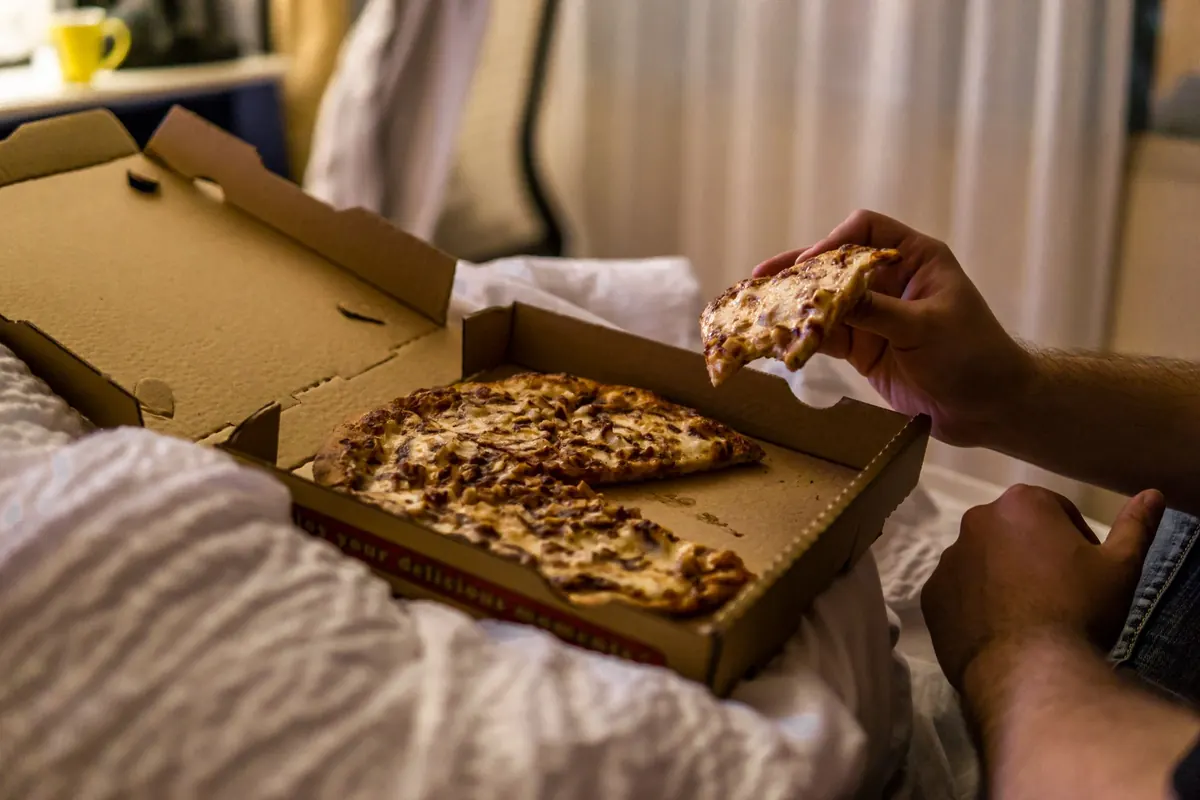
It's 9:40 on a Tuesday. The kitchen is finally quiet, the messages are answered, and you're standing at the open fridge with a fork in your hand, working out whether dinner still counts as dinner. If that sounds familiar, the problem is rarely the hour itself. Late eating gets a bad reputation, but most of the trouble comes from a handful of habits that travel with it: portions built for noon, a glass of wine doing the work of a meal, heat and acid at the wrong moment, and timing decided by tiredness rather than hunger. None of these are failures of willpower. They are simply easy to spot once you know what you're looking at, and easier still to change.
Mistake One: Portions Built for Noon
The most common late-night mistake is volume. A full bowl of pasta at ten o'clock, followed by a second small helping because the pot is still on the stove, is a lunch-sized decision made at an hour when you'll be lying down within twenty minutes. Digestion doesn't switch off at night, but a heavy meal close to bedtime can leave you feeling bloated and restless, and it makes heartburn more likely if you're someone who is prone to it.
Watch for the quiet multipliers, too. Cooking for four when only two of you are eating. Eating straight from the pan while you plate up. Standing at the counter with the container open, taking "just a bit" four times. None of these feel like a decision, which is exactly why they add up.
A plate test you can use tonight
Build your late plate like this: a palm-sized portion of protein, roughly two fists of vegetables, and one cupped hand of rice, potatoes, pasta or bread. If your evening plate is visibly larger than your midday plate, something has drifted. Serve once, put the rest away before you sit down, and use a smaller plate if you know you're a fast eater. These are small mechanical changes, but they work better than resolve at ten at night, when resolve is the first thing to go.
Mistake Two: Using Alcohol as a Nightcap
A glass of wine or a beer can feel like the natural full stop to a long day. It also nudges you to eat more than you planned, because a drink loosens the brake on appetite and makes salty, crunchy things suddenly seem like a reasonable idea. Alcohol may help you fall asleep faster, but it tends to fragment sleep later in the night, which is a poor trade if the goal is a genuinely restful evening.
Try this order instead: pour a large glass of sparkling water with lemon first, and drink it while you cook. If you still want wine with the meal, have it with food rather than after, keep it to one glass, and finish it at least an hour before bed. You don't have to give anything up. You just want the drink to be a companion to dinner rather than a replacement for it.
Mistake Three: Going Spicy, Acidic or Deep-Fried After Nine
There is nothing wrong with chili, tomato sauce or fried food in principle. The issue is context. A fiery curry or a plate of fried food eaten shortly before you lie down can sit heavily and make sleep uncomfortable, especially if you are sensitive to reflux or rich food. The same meal at one in the afternoon is often perfectly fine.
So move the heat earlier in the day. Save the chili-heavy dishes, the vinegar-forward salads and the fried snacks for lunch or an early dinner, and lean on gentler flavour at night: soft herbs, black pepper, lemon zest, a little grated cheese, good olive oil, a spoon of yogurt. If you really want spice, use a milder amount and pair it with something soft and plain, like rice or bread, rather than stacking it on an empty stomach.
Mistake Four: Getting the Timing Wrong in Both Directions
Timing errors run two ways, and both are common. The first is eating a full dinner five minutes before you get into bed, which gives your body no space to settle. The second is the opposite: skipping dinner because it's "too late", then finding yourself in front of the cupboard at eleven, hungry enough to eat whatever is fastest.
A workable target is to finish your main meal two to three hours before you lie down. That isn't a rule carved in stone, and it isn't realistic every day. It is simply a direction to aim in. If you eat at 8:30 and go to bed at 11, you're fine. If you eat at 10:45 and go to bed at 11, you'll probably notice.
If you only have twenty minutes
Late and hungry is not a reason to skip. Choose something small and easy: a bowl of soup, a slice of toast with an egg, yogurt with fruit. Eat it sitting down, at a table if you can, and give yourself ten minutes before you start getting ready for bed. A modest meal eaten calmly is far better than no meal followed by an impulsive raid on the fridge.
Mistake Five: Grazing Instead of Deciding
Late-night eating often isn't a meal at all. It's a slow procession of small things eaten standing up, in front of a screen, from a packet. Crisps, a few squares of chocolate, the end of a loaf with butter. Each item feels negligible; the total rarely is, and it never quite satisfies, because you never actually decided to eat.
The fix is to make it a decision. If you're hungry, sit down and eat a real, modest plate. If you're not hungry but you're restless, do something else for ten minutes first: wash up, make a cup of tea, read a chapter, take a shower. Sometimes the craving is just the day asking to be closed. If you genuinely still want food afterwards, eat it properly rather than by the handful.
Simple Alternatives for a Late Meal
The best late meals are quick, warm, and built from ingredients that don't demand much of you. Keep a few of these in your rotation and the fridge becomes less of a hazard:
- Eggs on toast with a handful of spinach wilted in the pan. Protein, something green, done in eight minutes.
- Soup with added substance: a simple vegetable or miso broth with noodles, tofu or a spoon of beans. Warming without being heavy.
- Yogurt with banana and cinnamon, plus a few walnuts if you have them. No cooking at all, and it feels like a proper bowl of something.
- Half a sandwich with cheese or turkey, cucumber and mustard. Half, not the full loaf, and eaten at the table.
- Oatmeal made with milk and topped with fruit. It sounds like breakfast, which is precisely why it's gentle at night.
- Leftover rice with steamed greens and a fried egg, a splash of soy and sesame. The best use of last night's dinner.
Whatever you choose, keep the portion small enough that you could still go for a short walk afterwards without feeling weighed down. And keep a jug of water on the counter so the first thing you reach for isn't something sweet.
A Short Evening Reset
You don't need to overhaul anything. Pick one change and hold it for a week: move your main meal thirty minutes earlier, swap the second glass of wine for sparkling water, or put leftovers in the fridge before you sit down to eat. Small, physical adjustments beat good intentions because they don't require you to be disciplined at the exact hour when you're tired.
Then make the late option easy. Keep eggs, soup, yogurt and a bag of frozen vegetables in the house, and decide in advance what your quick meal is. Decide it now, at a reasonable hour, so that nine-thirty-you doesn't have to think.
One sensible note: if you regularly experience heartburn, poor sleep, or discomfort after eating, or if you manage a health condition that affects your diet, it's worth talking to your doctor or a registered dietitian rather than adjusting things by guesswork.
Photo: Sarah Dietz / Pexels